Personalising objects with laser engraving has become extremely popular. From jewellery to promotional merchandise — laser engraving adds a personal touch and makes items truly special. But what do you do when the engraving turns out to be incorrect, or you simply want to restore an item to its original appearance? Is it possible to remove laser engraving? The answer is yes! In this post, we’ll walk you through how to remove laser engraving step by step, so you can restore your item to its original state.
What Is Laser Engraving?
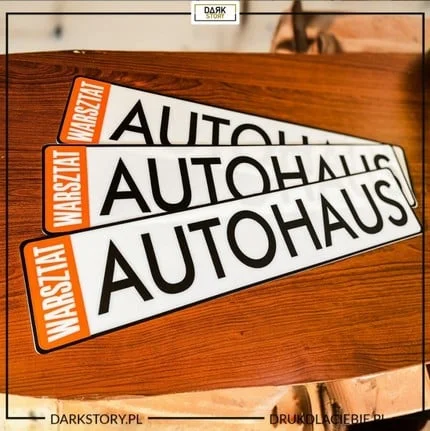
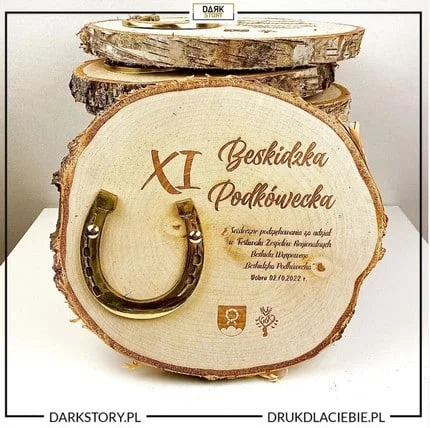
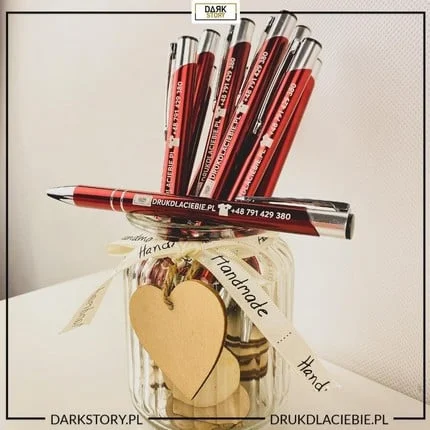
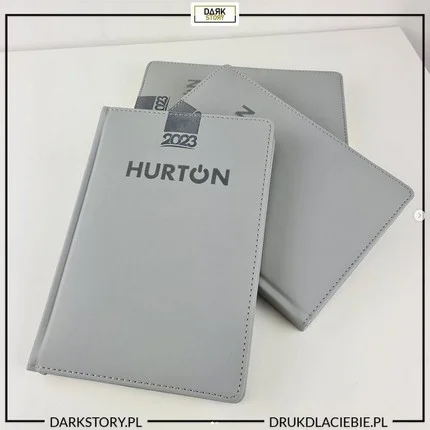
Laser engraving is a process that uses concentrated laser light to permanently mark or engrave various materials such as metal, wood, glass, and plastic. The technique allows for precise, clean execution of even the most complex patterns, texts, and images. Thanks to its precision and permanence, laser engraving has become a popular choice across many industries — from jewellery production to the creation of promotional merchandise.
Applications of wood printing technology — where is engraving used?
Why Is It Worth Knowing How to Remove Laser Engraving?
There are several reasons why someone might want to remove a laser engraving — a mistake in the text or design, a change of ownership where the new owner wants to personalise the item, or simply a desire to restore the item to its original condition. Removal may also be necessary for second-hand items that a new owner wants to customise. While the process may seem complex, with the right tools and techniques it is entirely manageable. Whether you want to restore the item’s original appearance or change the engraving — patience and precision are the keys to success.
Step by Step: How to Remove Laser Engraving
Thanks to advances in technology, several methods exist for removing engravings from different materials. The process requires precision, patience, and the right preparation and tools. Below is a step-by-step guide to safely and effectively removing laser engraving to restore an item to its original appearance.
- Before beginning, it’s important to identify the material the item is made from and assess the depth of the engraving. Different materials require different removal methods.
- Based on your assessment of the material and engraving depth, choose the most appropriate method. For delicate materials such as gold or silver, polishing may be sufficient. For deeper engravings, specialist tools or machinery may be required.
- Make sure your workspace is clean and well-lit. Prepare all the necessary tools and materials — sandpaper, polishing pastes, or specialist engraving removal devices as appropriate.
- Begin the removal process, working gently and gradually. When polishing, use a soft cloth and polishing paste to gradually work away the engraving. For deeper engravings, use tools such as milling bits or specialist spot-welding equipment.
- Regularly check progress and make adjustments as necessary. Do not use chemicals that are not intended for the specific material to avoid permanent damage.
- Once the engraving has been removed, clean the item thoroughly to remove any residue from the process. Depending on the material, it may be necessary to apply a protective coating to prevent corrosion or other damage.
- If necessary, carry out final finishing to restore the item to its desired appearance and lustre.
Removing Laser Engraving — Alternative Methods
In addition to mechanical removal, other methods exist — such as re-engraving to mask the original design, or using specialist chemicals that dissolve the engraving without damaging the material. In some cases, professional services may offer laser engraving removal using advanced techniques that are less accessible to the average person. This allows your item to once again become a clean surface ready for new personalisations.
How to remove computerized embroidery from clothing? Is it even possible?
How to Care for an Item After Removing Laser Engraving?
After removing a laser engraving, it’s important to care for the item properly to ensure its long-term durability and appearance. For metal, a protective coating may be needed to prevent corrosion. Wooden boxes and other wooden items may need to be re-lacquered or oiled. For glass and plastic, ensure all chemical residue has been thoroughly removed and the surface is clean. Regular maintenance and protection of the item will allow you to enjoy it for a long time without any trace of the previous engraving.
See also:
- What branded clothing suits your industry?
- How to build a company image?