Both printing and embroidery are modern techniques for decorating sweatshirts, T-shirts, jackets, and other clothing, as well as a wide range of accessories and corporate merchandise. Each technique has its own distinct characteristics, and the differences between them are significant enough that one will almost always be the better choice. Find out what to consider when selecting the right branding method.
What Are the Characteristics of Printing?
Printing is a popular method of decorating clothing, particularly for large corporate merchandise orders. This is partly because producing the necessary screens or templates can be quite costly. The most widely used fabric-printing technique is screen printing, which is relatively affordable while delivering excellent design reproduction. Flex printing is also growing in popularity and works especially well for simple graphics and company logos. Among the most cutting-edge techniques is also DTG printing.
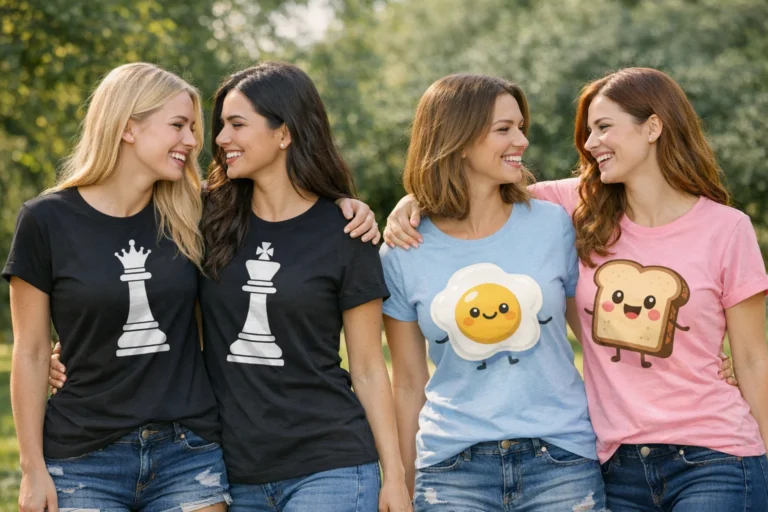
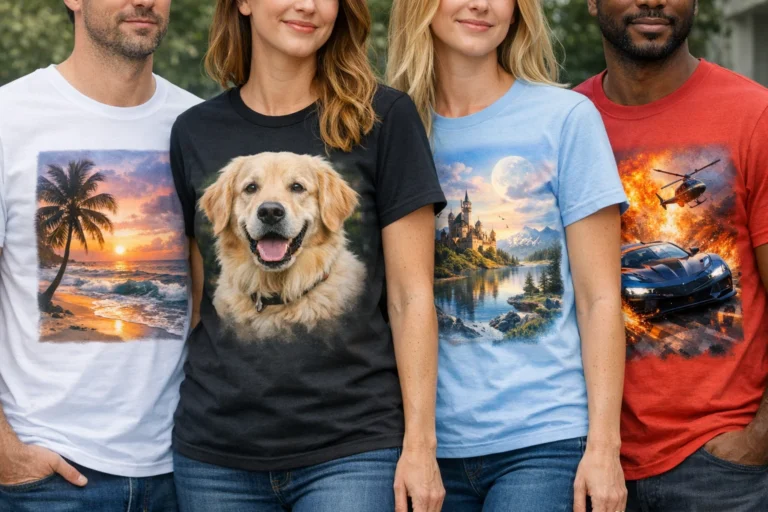
The biggest advantage of printing is the clarity and color vibrancy of the finished design. Branding looks great regardless of its size or resolution, and fine details and small text can be reproduced with precision. That said, printing can only be applied to smooth fabrics and requires heat-setting, so it cannot be used on materials that are not heat-resistant.
What Are the Advantages of Embroidery?
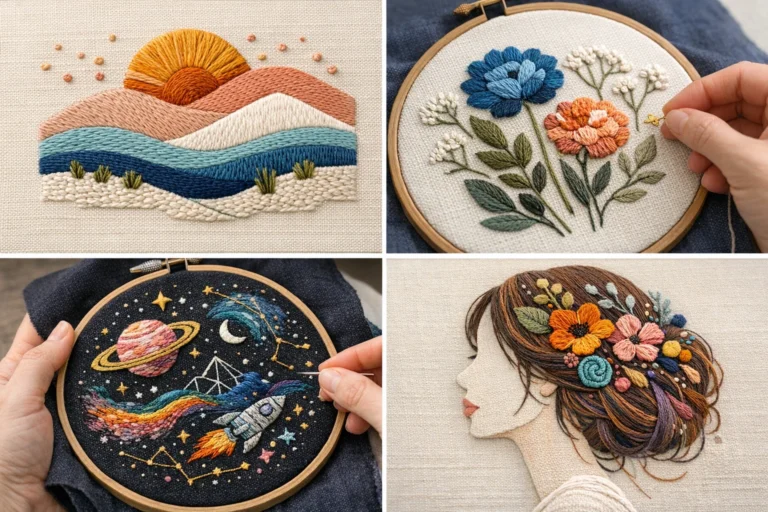
Embroidery is a highly refined branding technique. A company logo or name stitched onto sweatshirts or T-shirts using this method conveys quality and professionalism. Embroidery is also exceptionally durable — it holds up well through frequent washing and high temperatures. Unlike designs applied by other methods, embroidered patterns cannot wear off or crack. As a result, they retain their appearance, color, and shape for many years.
Keep in mind, however, that embroidery is best suited for smaller patches and logos. Large designs become costly and are better executed with a print technique. Embroidery is also not ideal for designs with color gradients or intricate fine details. The size of the design also matters — it must remain clearly legible on the fabric.
When Should You Use Printing?
Printing is most commonly used for more complex graphics and patterns. Computerized embroidery is not recommended in those cases, because branding hard-to-reach areas, large designs, or logos with small lettering yields better results with print techniques. Printing is also the better choice for water-resistant materials like jackets and rain coats — using embroidery in those cases would compromise the water-resistant properties of the branded area.
Types of Printing
As technology has advanced, numerous printing methods have emerged — all highly resistant to damage and chemical agents. Our company works with several techniques, including:
- screen printing,
- sublimation,
- DTG printing,
- Flex film.
Where Does Computerized Embroidery Work Best?
Branding certain products and materials with computerized embroidery can deliver highly satisfying results. Some fabrics simply look better with an embroidered design than with a print. Sweatshirts, T-shirts, and embroidered fleeces all have a neat, polished appearance.
Computerized embroidery works best for straightforward designs without tonal transitions or shading. Fine details in a company logo can be difficult to reproduce accurately. It is also worth knowing that in most cases this technique is not recommended for large back prints, as the design can show through the fabric’s structure. If the garment is worn directly against skin (T-shirt, sweatshirt, shirt), embroidery can cause irritation. Our company has a solution for this — on request, garments can be fitted with a special SKINPROTECT lining that protects the skin from chafing.
Where to Get Embroidery or Printing Done?
Branding sweatshirts, T-shirts, and other garments requires specialist equipment. That’s why the best option is to work with a professional company like ours. We have years of experience in the industry and all the equipment needed to handle any order from start to finish. We offer fast turnaround times, along with detailed, durable prints and embroidery — and we can advise you on which technique will best meet your needs.