Promotional merchandise is a great way to attract new customers. People who use a company’s products or services feel appreciated when they receive a branded gift. Not every product will work well as a promotional item, though. What qualities should these items have to make a genuinely positive impression? Find out what to look for when choosing materials to promote your company’s logo.
Why Do Promotional Items Matter?
Promotional products are one of the fundamental vehicles for advertising messages. Without them, standing out in a crowded market is a real challenge — which is why companies of all sizes, from small startups to large enterprises, invest in branded pens, mugs, bags, and notebooks.
Businesses use promotional merchandise primarily to boost brand recognition and, in turn, drive sales of their products and services. Items are typically handed out at industry events, where the chances of reaching new customers are highest. Some companies also include small accessories with regular orders — a free gift designed to create positive associations with the brand.
What Sets Good Branded Merchandise Apart?
Promotional items alone may not be enough to stand out — competitors use them too. That’s why quality and specific characteristics matter so much. Only well-designed accessories can rise above a sea of similar products and convince potential customers to choose your offer.
Functionality
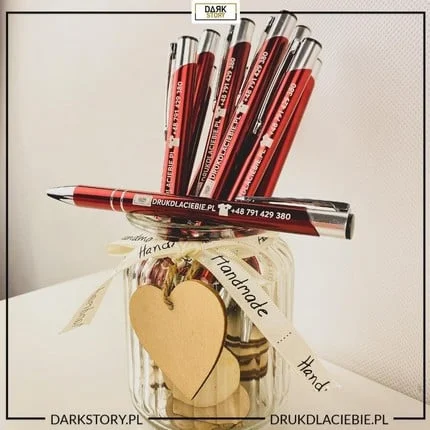
Promotional merchandise is valued for its practical use. Just like with birthday or holiday gifts, items that are genuinely useful in daily life go down the best. The recipient feels truly understood — and a company that chooses to give bags, mugs, notebooks, or pens communicates that it cares about what its customers actually need.
High Quality
Accessories meant to promote your brand must be made to the highest standards. It’s worth remembering that every promotional item you give out is a reflection of your company. Cutting corners on materials here doesn’t make much sense — the slightly higher cost of quality pens or mugs is barely noticeable, but the results in terms of sales can be surprisingly positive.
Personalization
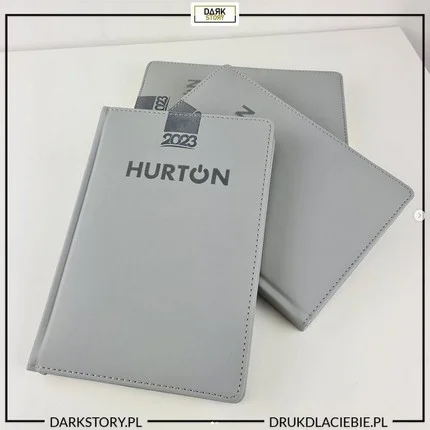
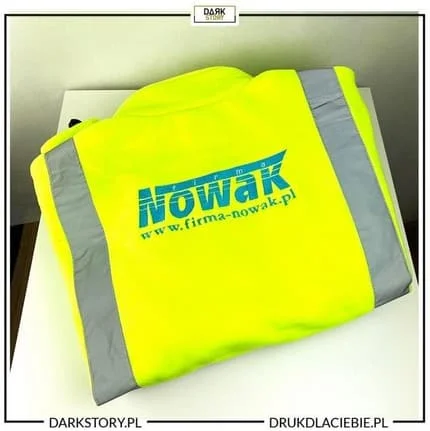
Branding promotional items is one of the most effective ways to build loyal brand ambassadors and attract new customers. Demand for personalized notebooks, bags, pencils, and other accessories is very strong. People who use these items spread your logo and brand name — so it’s worth making sure the product has original branding or an unusual format that makes it stand out.
Eco-Friendliness
Investing in eco-friendly promotional merchandise is a great way to communicate your company’s values. Environmentally conscious gifts will earn the support of like-minded customers. Recycled-material bags or biodegradable pens are solid options — they cost a little more, but they will definitely have a positive impact on your company’s image.
Occasion-Appropriate
Not every gift will suit every customer or context. Promotional merchandise handed out at trade shows will differ from what’s included with a regular order. In the first case, practical items like bags, pens, and mugs work well. For the latter, a slightly more substantial gift — like a branded T-shirt — might be more fitting. For formal gala events, the merchandise needs to be more refined: something from the premium end of the range, with a price point to match.
How Should Branded Corporate Merchandise Look?
To ensure promotional items are effective, their design deserves serious attention. Visually appealing products will attract far more customers than standard mugs or pencils with a company logo. The aesthetic dimension can sometimes matter more than the functional one — after all, most recipients probably already have a bag or a pen at home. That’s exactly why the visual appeal can be the deciding factor.
Branded promotional merchandise for your company must be top quality. That’s why it’s worth working with a professional print shop — branding corporate merchandise is our specialty. Browse our range and find products that will genuinely help you win new customers.