Embroidery, though most commonly associated with hand-decorating fabric, has undergone a remarkable evolution over the centuries. From ancient civilisations to the latest computer technologies, embroidery has become one of the most versatile methods of personalising clothing and textiles. In this article, we’ll explore the history of this branding method, compare traditional techniques with modern solutions, and discover how computerized embroidery can be used today to create unique products.
The History of Embroidery: From Ancient Civilisations to the 21st Century
The history of embroidery is as rich and fascinating as the patterns that have adorned textiles throughout the ages. The origins of this craft stretch back to ancient civilisations, where it served not only to decorate clothing but also as a form of artistic and symbolic expression. Examples of embroidery have been found in Egyptian tombs, where it was used to adorn pharaohs’ garments, as well as in ancient China, where it was used to decorate the silk robes of emperors. In medieval Europe it became immensely popular, with craftspeople from countries such as France and Italy achieving particular mastery in the field.
From Tradition to Modernity — The Evolution of Embroidery
As mentioned above, embroidery is an art with roots stretching back thousands of years. Originally, embroidery was done entirely by hand using a needle and thread, creating intricately decorated patterns on fabric — techniques passed down from generation to generation.
It’s worth emphasising that hand embroidery required enormous precision, patience, and skill, making each finished design truly one of a kind. As technology developed, more advanced methods were introduced to speed up and simplify the process. A turning point came with the invention of embroidery machines, which allowed patterns to be created faster and more consistently. Though revolutionary, these machines still required a significant amount of manual work and supervision.
It was only the introduction of computer technology that completely transformed embroidery. Modern computerized embroidery, using advanced software, allows for the precise reproduction of even the most complex designs. This made it possible to create designs on a mass scale while maintaining high quality and fine detail — something previously unachievable with traditional methods.
Print or embroidery? Which to choose?
What Is Computerized Embroidery? Modern Embroidery for Clothing Personalisation
Computerized embroidery is a technique that has revolutionised the way decorations are created on fabric. It involves using specialist computer-controlled machines that precisely reproduce designed patterns on materials.
- The process begins with creating a graphic design using computer software.
- The design is then sent to the embroidery machine, which applies the pattern to the fabric with remarkable precision using needles and thread.
Modern embroidery using this technique achieves a level of accuracy and consistency that is difficult to match with traditional, manual methods. Computerized embroidery also stands out for its ability to personalise clothing at scale. Designs can be changed quickly and easily to meet individual customer requirements.
The Advantages of Computerized Embroidery: Precision, Durability, and Speed
Computerized embroidery offers many advantages that make it an exceptionally attractive option in the world of modern textile decoration. Above all, it delivers extraordinary precision. Thanks to advanced software, embroidery machines can reproduce even the most complex designs accurate to the millimetre — achieving details that would be very difficult to replicate by hand.
Durability is another key advantage. The threads used in computerized embroidery are typically made from high-quality materials that are resistant to washing, abrasion, and fading. As a result, embroidered designs retain their appearance for a long time — which is especially important for workwear such as printed work trousers, uniforms, and branded clothing like printed caps and branded fleeces that need to look impeccable for years.
Speed is a key advantage of computerized embroidery. Traditional hand embroidery can take many hours or even days, depending on the complexity of the design. Modern embroidery machines, by contrast, can complete the same design in a fraction of the time, enabling greater throughput and the ability to fulfil larger orders.
How to remove computerized embroidery?
Modern vs. Traditional Embroidery — A Comparison
Traditional and computerized embroidery differ in several significant ways, yet both are fascinating and have their own unique applications.
- Traditional embroidery is the manual art of creating patterns using a needle and thread. It requires enormous precision, patience, and manual skill, which means each design is one of a kind and often resembles a small work of art. It is most commonly chosen for artistic projects, historical recreations, and wherever individual character and the value of handwork are important.
- Computerized embroidery, on the other hand, is a modern technique that uses computer-controlled machines to create designs on fabric. It allows for the rapid production of large series, which is impossible with traditional methods. It also eliminates human error, resulting in high quality and consistency. Compared to hand embroidery, the computerized technique is significantly more efficient in terms of time and cost, making it an ideal solution for companies producing branded clothing and large orders.
Modern Embroidery in an Advertising Print Shop — Broad Possibilities and a Symbol of Innovation
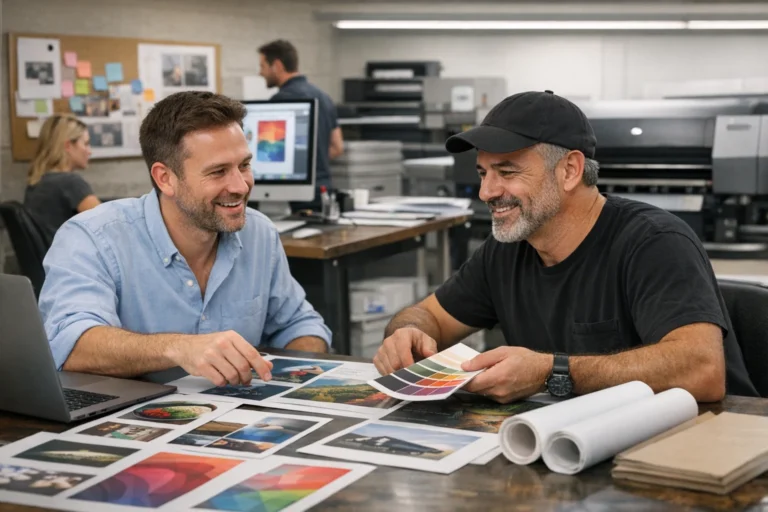
Computerized embroidery has opened entirely new possibilities for advertising print shops, enabling the creation of unique, personalised products at scale. Modern embroidery machines allow print shops to offer a wide range of products with embroidered designs — from clothing to accessories and home textiles. Modern embroidery enables accurate reproduction of logos, text, and even complex graphics, making promotional products more attractive and professional.
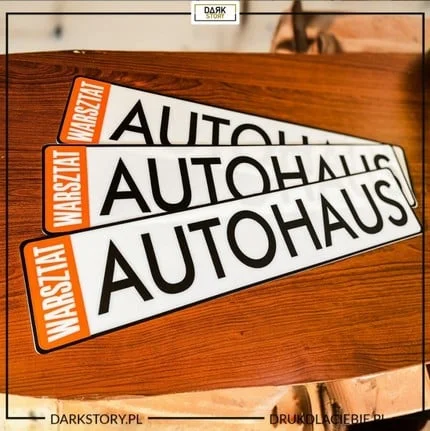
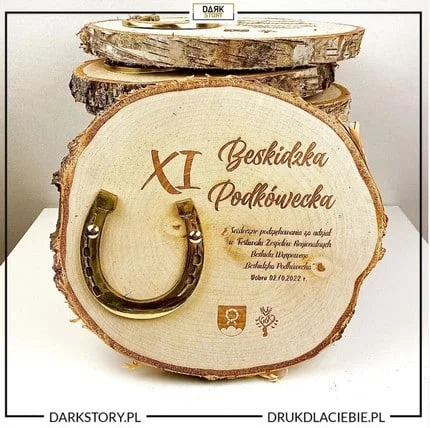
At Druk Dla Ciebie, we use this method to create various types of clothing, including printed polo shirts, branded sweatshirts, and a range of promotional merchandise. These standout designs set our clients apart from the competition, and the ability to quickly and easily adapt designs makes computerized embroidery the ideal solution for marketing campaigns where fast response to changing market needs is essential.
Thanks to computerized embroidery, Druk Dla Ciebie can offer products of high quality, durability, and aesthetic appeal, while increasing production efficiency and reducing costs. This makes modern embroidery not only a practical tool, but a key element in the business strategy of companies working in advertising and promotion.